
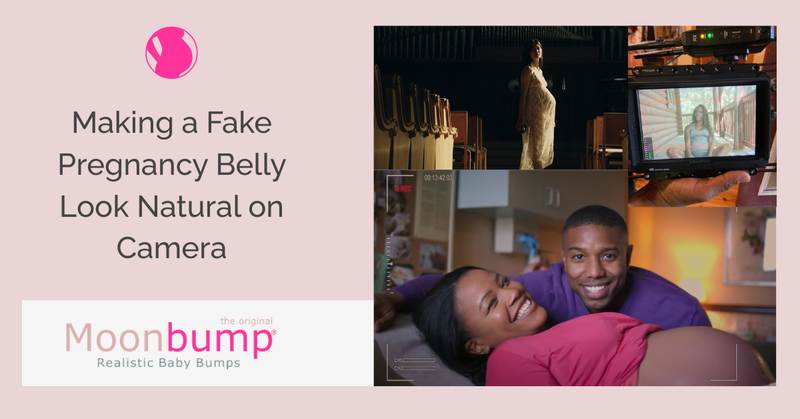
Making a Fake Pregnancy Belly Look Natural on Camera
1st Sep 2026
Achieving absolute realism on screen or during a high-definition photoshoot requires a delicate blend of high-quality props, smart wardrobe choices, and strategic technical execution. Whether you are working on an indie film, a commercial television production, or a professional portrait session, ensuring that a pregnancy prosthetic behaves and looks like the real thing is essential for maintaining audience immersion. When the goal is to make a fake pregnancy belly look natural on camera, production teams must look beyond the prop itself and focus on the holistic environment—from costume layers to the actor's physical performance.
The foundation of any believable screen pregnancy always begins with the quality and fit of the prosthetic itself. Utilising a poorly shaped or rigid prop can immediately break the illusion under unforgiving studio lights. Production teams frequently turn to a premium silicone fake pregnant belly solution because silicone mimics the natural sway, weight, and texture of human tissue. Unlike rigid alternatives, high-grade silicone absorbs and reflects studio lighting in a way that closely mirrors natural skin, which is crucial when shooting tight angles or high-definition close-ups.
Prioritise Structural Continuity and Sizing Accuracy
One of the most common mistakes in visual storytelling is selecting a bump size that does not align with the narrative timeline or the actor's natural frame. A sudden jump in abdominal volume without a corresponding change in wardrobe or posture can look jarring to an audience. To maintain seamless continuity, costume designers should consult an official sizing guide to match the prosthetic precisely to the character's gestational stage.
For early-stage transitions, a subtle 3-4 month fake belly provides a gentle, realistic rounding that sits naturally under everyday clothing without appearing forced. As the narrative progresses, transitioning to a 5-6 month fake belly allows the wardrobe department to showcase a more definitive silhouette. For late-term scenes or projects requiring dramatic emphasis, utilising a 7-8 month fake belly or even a specialised 9 month fake belly ensures the physical dimensions match the script's demands perfectly. Ensuring that the structural dimensions fit securely against the performer's torso eliminates gaps or shifting during complex movements.
Mastering Wardrobe Layering and Fabric Selection
The clothing worn over a prosthetic plays a massive role in how the shape translates through a camera lens. Extremely tight, single-layer synthetic fabrics can sometimes create an artificial sheen or reveal the hard edges of an inferior prop. To avoid this, camera-facing talent should be styled using strategic layering and specific textile weights.
Natural, textured fabrics such as soft knits, brushed cotton, linens, and heavy silks drape beautifully over a curved surface, diffusing the light naturally around the contours of the abdomen. Incorporating practical layers — such as an unbuttoned cardigan, a structured blazer, or a stylish scarf — can break up any harsh lines and add depth to the shot. When costume designers utilise a Moonbump® belly with its low-back bodysuit, the integration is incredibly clean, allowing for wardrobe options with varied necklines and backing without exposing the underlying apparatus.
Strategic Lighting and Camera Angles
Direct, harsh front-lighting is the enemy of prosthetic realism. When light hits an artificial surface directly from the front, it flattens the depth and can accentuate any minor imperfections in texture or color matching. Instead, directors of photography should opt for soft, directional side-lighting or three-point lighting setups.
Side-lighting creates soft, gradual shadows along the slope of the abdomen, highlighting a realistic, gentle curve rather than a sharp geometric shape. Furthermore, capturing the performer from a slight three-quarter angle rather than a strict, dead-on profile or front-facing view adds a natural three-dimensional quality to the frame. If the scene demands a bare-bump shot or sheer wardrobe, checking a dedicated faux pregnant belly skin tones directory ensures that the prosthetic perfectly complements the performer's natural complexion under the specific color temperature of the studio lights.
Coaching the Actor's Physical Performance
A prosthetic can look visually flawless, but the illusion will quickly fall apart if the performer moves like they are not carrying a precious weight at all. A genuine pregnancy changes a person's priorities and their center of gravity, affecting how they sit, stand, walk, and transition between positions. Directors should allocate time for the talent to rehearse while wearing the piece prior to the cameras rolling.
Encourage the actor to adopt a slightly wider stance when standing and to use their hands to support their lower back or rest naturally on top of the bump during quiet moments. Getting up and sitting down should be a deliberate, slower process, often requiring the character to lean back slightly or use the armrests of a chair for balance. When the physical movement matches the visual scale of the abdomen, the camera captures a holistic, convincing portrayal that resonates with authenticity. To see examples of how these elements come together flawlessly on professional sets, exploring a curated gallery of fake bellies in use provides excellent inspiration for directors and stylists alike.